


Let's be real-manufacturing these days is basically a high-stakes game where speed and accuracy rule. If you're not nailing both, good luck keeping clients happy. Enter precision CNC machining, the unsung hero behind loads of the stuff we depend on-think cars, planes, fancy gadgets, even those weird medical instruments you hope to never need. The magic? It's half tech wizardry, half mad engineering skill, all working together so every part comes out just right, time after time. Costs stay in check, quality's rock solid, and your reputation doesn't go down the drain. Honestly, it's the backbone holding modern industry together-no exaggeration.
What is Precision CNC Machining?
So, CNC machining-yeah, that's where computers basically boss around tools like mills, lathes, or whatever else's lurking in the shop. Forget doing stuff by hand; you just load up a design, and the machines get to work shaving away at metal or plastic until-you guessed it-there's your part, fresh and slick and super accurate. It's like magic, but louder and with more metal chips flying everywhere.
And honestly, if you need parts with wild shapes and everything has to be literally perfect, CNC's the only way to go. You just toss in your CAD file, press a few buttons, and boom-the computer sorts out all the tricky bits. Almost feels like cheating, except it's actually just the future doing its thing. Also, say goodbye to the oopsies that come from too much caffeine or not enough sleep, because machines don't get tired and they sure don't guess. Humans just step back and let the robots have at it.
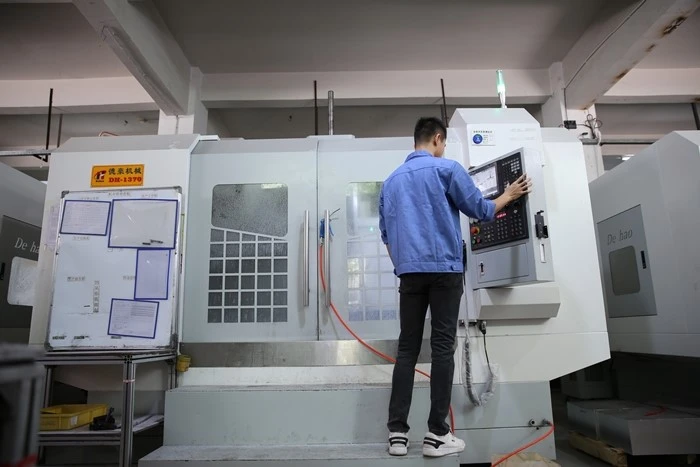
Advantages of Precision CNC Machining
1. Accuracy and Consistency
You know, precision CNC machining is like the control freak of manufacturing-it keeps everything ridiculously spot-on. We're talking super tight tolerances, like, it'll spit out thousands of parts and every single one practically clones the last. And in some fields-think aerospace, medical devices, stuff where if something's even a hair off, it could be disastrous-you seriously can't mess around. Every micron counts, no joke.
2. Flexibility in Production
Doesn't matter if you're cranking out a few test pieces or running a full-blown production line-CNC machining just gets it done. Swapping between designs? Barely an issue. You don't have to mess around with endless retooling or waste half your afternoon babysitting machines. It's basically a dream for anyone who hates downtime (so, pretty much everyone).
3. Cost Efficiency
Yeah, sure, setting up CNC machining might sting a bit upfront-definitely pricier than just going old-school manual. But once it's up and running? You barely chuck anything in the trash, jobs get done way faster, and honestly, you spend way less time fixing screwups. Give it a little time and those savings start to stack up, whether you're just making a handful of parts or cranking out loads. So yeah, that investment? Pretty worth it.
4. Material Versatility
You know what's cool about precision CNC machining? It'll chew through just about anything-aluminum, steel, titanium (fancy), brass, plastics, even those weird composite materials engineers love so much. Seriously, if you work in an industry where you want a little bit of everything, this thing's like your Swiss Army knife.
5. Speed and Productivity
You crank up those CNC machines and boom-stuff gets made way faster than if people were fiddling around by hand, you know? They just keep chugging along, barely stopping for a breather, cranking out parts like there's no tomorrow. No waiting around, no "my arm's tired"-just constant action, which means you get your stuff waaaay faster.
CNC Machining for Small-Scale Production
Alright, here's how I'd put it-way more chill, and y'know, human:
Look, when you're running small batches-prototypes, one-offs, that kinda thing-CNC machining is pretty much your new best friend. Why? You get lightning-fast turnarounds, laser-sharp accuracy, and you can tweak designs on the fly without losing your mind.
- Prototyping: Want a prototype that's actually, like, legit and not some sad, flimsy stand-in? CNC machines spit out parts that are basically twins to the final deal. Super handy for testing stuff before you go full assembly-line mode.
- Customization: If your biz is all about those weird, unique, or super-specific parts, CNC has your back. No need to freak out over oddball shapes or tiny quantities-just dial in what you want and bam, done.
- Less Drama with Setup: Here's the thing-unlike old-school methods (looking at you, injection molding), CNC doesn't demand a gazillion dollars or days just to get rolling. For small runs, you skip a ton of setup headaches and extra costs. More coffee money for you, honestly.
So yeah, CNC machining is killer for anyone who cares about speed, detail, and staying flexible. Kind of a no-brainer if you ask me.
CNC Machining for Large-Scale Production
Alright, listen up-scaling up production isn't just about cranking out more stuff; it's about keeping everything tight and on-budget. That's where CNC machining comes in clutch. You want a whole truckload of identical parts, all looking sharp? Easy. Precision CNC's basically a copy machine for metal and plastic parts.
- Repetition that actually works: The programming's locked in, so every piece comes out a dead ringer for the original-perfect for those industries where "close enough" doesn't cut it. Aerospace, med devices? They eat this up.
- Fast as heck: CNC doesn't mess around. Compared to old-school methods, you're pumping out parts on the double, which is crucial when you've got deadlines breathing down your neck and a mountain of orders.
- Grows with you: Set up a part program once, and you can run it on loop-small batch, massive run, doesn't matter. Kinda like having a Spotify playlist you never get sick of.
- Automation tag-team: And if you're really taking things to the next level, just throw in some robots to load and unload parts. Sit back, sip your coffee, and watch the efficiency go through the roof.
Applications of Precision CNC Machining
1. Cars and trucks-yeah, the whole auto world's basically obsessed with CNC machining. Think about engine bits, tricked-out transmission parts, random custom stuff for speed junkies. People need this stuff tough and razor-precise, so machines pretty much rule the garage.
2. Planes? Oh boy, don't get me started. Everything flying through the sky needs to be stupidly safe and made perfect. CNC machines save the day again-nailing those impossible tolerances and handling all sorts of wacky metals. It's like mission impossible, but for parts.
3. Electronics are their own beast. Ever tried to jam a ton of tech into a tiny plastic rectangle? Stuff like cases, connectors, those little heat sinks that keep your phone from melting… CNC machining sweats the small stuff. Literally down to the tiniest detail, otherwise your laptop literally fries.
4. In the medical game, it's all about zero mistakes. We're talking scalpels sharp enough for surgeons, but also hips and knees that have to feel right inside someone's body?! CNC is basically the control freak here-making sure the materials won't freak out your immune system or snap mid-operation.
5. Heavy industry isn't glamorous, but without CNC cranking out gears, shafts, and the guts of big machines, half our factories stop dead. It's all about building stuff that won't break, no matter how hard you try (or how badly you treat it on a Monday morning).
Materials Used in CNC Machining
- Metals: Aluminum, stainless steel, titanium, brass, copper, and magnesium.
- Plastics: ABS, PEEK, nylon, polycarbonate, and acrylic.
- Composites: Fiber-reinforced polymers for lightweight and high-strength applications.
Choosing CNC Machining for Production Needs
Alright, let's cut through the noise for a sec. Trying to pick between making a few or cranking out thousands? Here's what actually matters:
- How much stuff you need: If it's just a handful of prototypes or a small run, CNC machining's a no-brainer-super quick, doesn't burn a hole in your wallet upfront. Need a boatload of parts? CNC still pulls its weight, especially when you need to churn 'em out fast.
- Your design-complicated or basic? If you've got some whacky shapes or tiny tolerances, CNC's got laser-sharp precision for that. Seriously, it nails the fiddly bits.
- Materials: Metal, plastic, rubber ducks (okay, maybe not ducks)-CNC machinery chews through pretty much anything you throw at it. Perfect if your industry's picky about what things are made of.
- Money and deadlines: Tight budget? Boss breathing down your neck for quick delivery? CNC machines hold their own when you're short on cash and time.
Honestly, CNC kind of covers all the bases. Unless you need something super-specialized, it's hard to go wrong.
Future of Precision CNC Machining
Man, CNC machining's really leveling up these days. Stuff like AI, IoT gadgets, and automation? Total game-changers-machines work smarter, not harder, and even know when they're about to break down. Wild, right? Those multi-axis setups? They give you insane freedom-making tricky, complicated shapes almost feels like cheating. Honestly, with all this new tech, CNC isn't going anywhere. Doesn't matter if you're making a one-off prototype or cranking out thousands of parts-it's still king of the hill in manufacturing.
Conclusion
Alright, let's be real-precision CNC machining is basically the secret sauce for any business trying to nail accuracy and crank out products without burning time or cash. Doesn't matter if you're tinkering with a one-off prototype in your garage or churning out thousands of parts on the factory floor, CNC's got your back. You want stuff that fits together perfectly every time? Done. Need to switch up materials like you change your socks? No sweat. Pretty much every industry that actually makes things leans heavy on CNC because, honestly, why wouldn't you? It's the gold standard-reliable, flexible, and, yeah, it just gets the job done.
PowerWinx is a trusted manufacturer specializing in CNC machining, die casting, and precision engineering solutions. With expertise in aluminum, magnesium, and zinc components, PowerWinx serves industries such as automotive, electronics, aerospace, and medical. The company delivers high-quality prototypes and large-scale production runs with a focus on innovation, cost efficiency, and reliability, making it a dependable partner in global manufacturing.
