


Let's face it-if you work in manufacturing, you can't afford mistakes. Precision, speed, and reliability aren't just nice to have; they're what keep things running. CNC machining sits at the heart of all this. Sure, the machines themselves are a big deal-they're built for accuracy and repeatability-but there's more to the story. The machinist behind the controls matters just as much. Pick the right CNC machinist, and your projects run smoother, your processes get sharper, and you save money in the long run.
So, how do you find the right person for the job? This guide lays out what to look for. From checking their technical chops to seeing how well they communicate and what kind of experience they bring to the table, we'll break down how to make a smart choice that sets you up for real, lasting results.
.
Understanding the Role of a CNC Machinist
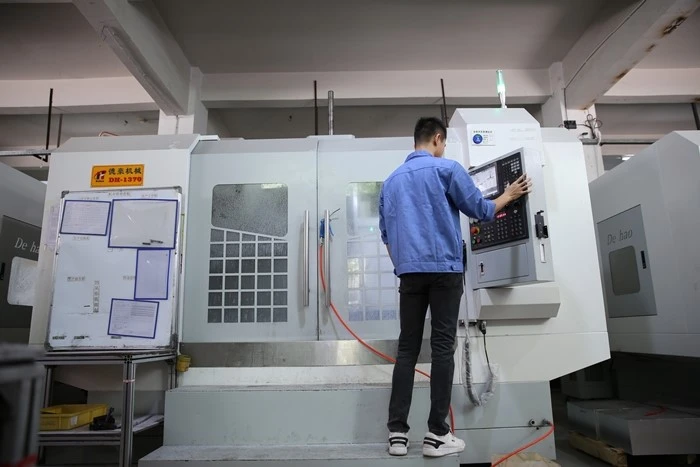
A CNC machinist does a lot more than just push buttons. They set up, program, and run all kinds of CNC machines-mills, lathes, routers, grinders, you name it. They have to read blueprints, pick out the right tools, check the quality of each piece, and fix problems as they come up. A good machinist pays close attention to detail and makes sure every part matches what the customer needs, down to the last measurement.
Key skills of a CNC machinist include:
- Reading and interpreting technical drawings and CAD models
- Programming CNC machines with precision
- Selecting appropriate tools and materials
- Inspecting finished parts for accuracy and quality
- Problem-solving to reduce errors and downtime
By understanding their role, you can better evaluate candidates or machining service providers for your production needs.
Why Choosing the Right CNC Machinist Matters
The machinist you choose directly impacts your business in several ways:
1. Product Quality:
Skilled machinists know how to hit those tight tolerances, so you get parts that really meet the mark.
2. Cost Efficiency:
Experienced machinists don't waste material, avoid rework, and keep machines running. That saves money, plain and simple.
3. Consistency:
When you've got a reliable machinist on the job, every batch comes out the same. That's huge for industries like aerospace, automotive, and medical, where you can't afford mistakes.
4. Innovation:
A good machinist doesn't just follow the rules-they spot ways to make things better and faster.
5. Customer Satisfaction:
When parts show up on time and look great, clients stick around. It's the key to building long-term business.
Factors to Consider When Choosing a CNC Machinist
1. Technical Expertise and Skills
You want a machinist who's actually worked with the kind of CNC machines you use. Let's say your shop runs 5-axis mills-find someone who's done that before, not just someone who's read about it. Check if they know their way around G-code, Mastercam, or Fusion 360. Real-world programming experience matters.
2. Industry Experience
Not every industry asks for the same thing. If you're in medical devices, you need someone who hits those tight tolerances every time. In automotive? Durability probably comes first. Pick a machinist who gets what your field demands and has worked in it before.
3. Portfolio and References
Don't just take their word for it. Look at their past projects. Are they solid? Reliable? Ask for references-reach out to past clients and see if this machinist actually delivers on time and hits the specs.
4. Certifications and Training
Certifications matter. If they've got NIMS or have finished advanced CNC training, that shows they're serious about their craft and keep their skills sharp.
5. Problem-Solving Ability
Things go wrong in machining-tool wear, code errors, weird materials. You want someone who spots problems fast and fixes them before they slow down production.
6. Attention to Detail
CNC machining is all about precision. Even small mistakes can turn into expensive problems. A detail-oriented machinist catches issues before they become costly defects.
7. Communication and Collaboration
Machinists can't work in a bubble. They need to talk clearly with engineers, designers, and the rest of the team. Good communication keeps your designs from getting lost in translation.
8. Adaptability to Technology
Manufacturing moves fast. Automation, new CAD/CAM tools, Industry 4.0-things change all the time. Go with someone who stays curious, learns new tech, and doesn't get stuck in old habits.
9. Work Ethic and Reliability
Skill matters, but attitude counts too. You want someone who shows up on time, meets deadlines, and takes pride in their work. Reliability keeps your production humming.
10. Cost and Value
Going cheap up front can cost more later. A skilled machinist might ask for a higher rate, but they'll save you money by avoiding waste, mistakes, and delays. So, look for value-not just the lowest price.
Questions to Ask Before Hiring a CNC Machinist
-What kinds of CNC machines have you worked with the most?
-Do you have any examples of projects you've done in my industry?
-When something goes wrong during machining, how do you deal with it?
-What steps do you take to make sure your work meets quality standards?
-Are you certified or trained in any particular CNC programming software?
-How do you keep things consistent when you're handling big production runs?
These questions don't just show if someone knows their stuff-they also tell you if they're professional and reliable.
.
In-House CNC Machinist vs. Outsourcing
You'll need to figure out if you want to bring a machinist onto your team or just hire out for machining work.
If your company always needs a steady flow of machined parts, having an in-house CNC machinist makes sense. You get more control over the process, but you'll have to spend money on equipment and training.
Outsourcing works better if your production needs go up and down, or if you take on unique projects from time to time. You save on overhead and still get skilled experts and top-notch machines without buying everything yourself.
In the end, it really comes down to how much you're producing, what you can spend, and where you see your business heading.
.
How to Evaluate CNC Machinist Service Providers
Thinking about outsourcing? Take a close look at your options. Check what kinds of machining they offer-like milling, turning, drilling, or grinding. Look at which industries they've worked with before and see who their past clients are. Make sure they have solid quality control certifications, like ISO 9001 or AS9100. Ask how fast they can actually deliver and how reliable they are with deadlines. And don't forget about customer support-you want a team that answers your questions and has your back.
Pick the right partner, and your projects run smoothly without cutting corners on quality.
The Importance of Continuous Training
CNC machining never stands still. New tools, better software, and smarter methods show up all the time. The best machinists don't just stick to what they know-they keep learning, picking up new skills every chance they get. When you're looking for someone to handle your machining work, ask if they're open to new tech and ongoing training. That kind of flexibility keeps your production running strong and ahead of the curve..
Final Thoughts
Picking the right CNC machinist isn't something you just rush through. You want someone who knows their stuff, has solid experience, and can actually solve problems when things get tricky. Reliability matters, too. It doesn't matter if you're bringing someone on full-time or working with an outside shop-whoever you choose needs to fit your business goals, your budget, and the way you run production.
Look for technical skills, the right certifications, and real industry experience. Adaptability counts, too. Get this right, and you'll have someone who goes above and beyond-not just getting the job done, but doing it better than you expected. With the right machinist, you'll nail precision, cut down on costs, boost efficiency, and keep quality steady. That's how you set yourself up to win in manufacturing, not just now but for the long haul.
.
PowerWinx is a trusted manufacturing partner in China specializing in CNC machining, die casting, and advanced thermal management solutions. With expertise in high-precision aluminum and copper components, PowerWinx supports industries ranging from automotive and electronics to medical and aerospace. Their commitment to quality, innovation, and customer satisfaction ensures reliable results for even the most complex projects worldwide.
