Introduction
Aluminum shows up everywhere in precision manufacturing, and for good reason-it's tough, lightweight, and easy to machine. Pair it with CNC milling, and you get parts that are not just accurate but built to last. There's another step that really takes things up a notch: anodizing. When you anodize aluminum CNC-milled parts, you end up with components that look great, hold up even better, and resist corrosion. That's why people turn to anodized aluminum for jobs where reliability and performance actually matter.
CNC milling
What is CNC Milling?
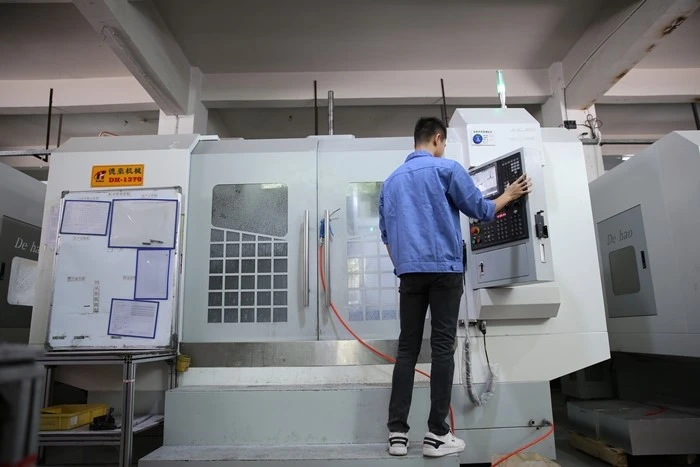
CNC milling uses computers to control cutting tools, shaving material off a workpiece to create the exact shape you want. Unlike doing it by hand, CNC milling sticks to a digital blueprint, so you get the same results every time-tight tolerances, sharp details, tricky shapes, you name it. You'll find this process everywhere: car parts, airplane components, circuit boards, robots, even medical devices.
Aluminum and CNC milling just work well together. Aluminum's easy to machine, handles heat well, and when you put it through CNC milling, you end up with parts that are light, tough, and accurate. You can even treat the surface-like anodizing-to boost how the part performs.
Understanding Anodizing
Anodizing takes aluminum and gives it a tough, protective skin. It's an electrochemical process-basically, you run an electric current through aluminum while it sits in an electrolyte bath. That current pulls oxygen ions from the solution, and they latch onto the surface, building up a thicker layer of aluminum oxide. This isn't just a coating that flakes off like paint; it becomes part of the metal. You get a finish that looks better, lasts longer, and stands up to scratches and corrosion.
When it comes to CNC-milled aluminum parts, people usually go with one of three types:
1. Type I, or Chromic Acid Anodizing. This one leaves a thin layer that keeps corrosion at bay. You'll see it a lot in aerospace parts.
2. Type II, or Sulfuric Acid Anodizing. This is the go-to for most jobs. It gives you a thicker coating, which makes it perfect if you want to add color or just want a good-looking finish.
3. Type III, or Hard Anodizing. Now we're talking heavy-duty. This type builds up a super dense, thick layer that's all about maximum wear resistance. It's the choice for tough mechanical or industrial uses.
Benefits of Anodized Aluminum CNC Milling Parts
1. Corrosion Resistance
Anodizing does a great job protecting aluminum parts from corrosion. That tough oxide layer basically shields the metal underneath, keeping out things like moisture, salt, and chemicals.
2. Enhanced Aesthetic Appeal
You can dye anodized parts all sorts of colors-black, blue, red, gold, you name it. That's why you see anodized finishes on electronics, cars, and even building parts. The surface looks sharp and polished, but it's not just for show-it actually adds to the function.
3. Improved Surface Hardness
Once aluminum is anodized, it stands up better to scratches, wear, and general abuse. That's why anodized CNC-milled parts work so well in mechanical systems or anywhere they'll get handled a lot.
4. Electrical Insulation
Anodized coatings act as electrical insulators. That's a big deal for things like electronic cases, connectors, or any parts that need to keep electricity in check.
5. Better Adhesion for Paints and Sealants
The anodized layer has a porous texture, so paints, adhesives, and even lubricants stick better. This gives you more options for finishing the surface.
6. Environmentally Friendly Process
Anodizing is actually pretty eco-friendly. It creates a stable, non-toxic oxide layer and skips the heavy metals or nasty chemicals that other coatings use.
Applications of Anodized Aluminum CNC Milling Parts
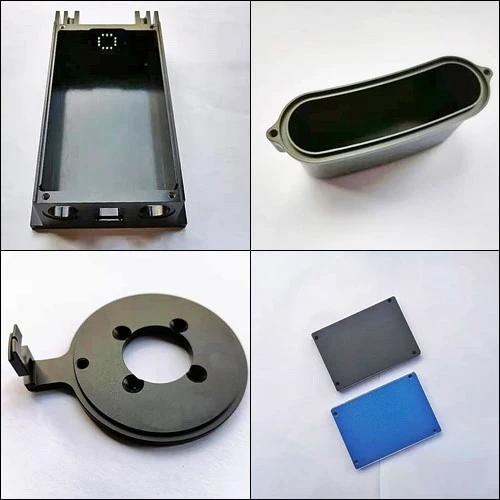
Anodized aluminum CNC milling parts pack a rare mix of strength, precision, and corrosion resistance, so you'll find them just about everywhere. Here's where they really shine:
1. Electronics and consumer devices love anodized aluminum for housings, frames, and enclosures - think smartphones, laptops, cameras. It's tough, looks good, and stands up to daily wear.
2. In aerospace and defense, you'll see it in aircraft parts, brackets, and housings. The material keeps things lightweight and shrugs off corrosion, which is perfect for these demanding fields.
3. The automotive industry uses anodized aluminum for dashboards, trims, brackets, and high-performance components - anywhere you need strength and heat resistance.
4. Medical equipment relies on it too. Surgical tools and diagnostic gear need surfaces that stay sterile, resist corrosion, and clean up easily.
5. Industrial machinery counts on anodized aluminum for mechanical parts, fixtures, and housings. These pieces handle tough environments without breaking down.
6. Even in architecture and design, you'll spot anodized aluminum in structural elements and decorative features. It brings together strength, style, and weather resistance all in one package.
Anodized Aluminum CNC Milling Parts
CNC Milling Process for Anodized Aluminum Parts
Here's how anodized aluminum CNC milling parts come together:
First, engineers sketch out a CAD model and run it through CAM software to set up the CNC program. Next, they pick the right aluminum alloy-6061, 6082, 7075, or 5052-based on what the part needs in terms of strength and corrosion resistance. Then comes the actual milling. Multi-axis CNC machines carve the aluminum billet into shape with tight precision.
Before anodizing, the team cleans and degreases the parts. That way, nothing gets in the way of a smooth coating. For the anodizing itself, they dip the parts in an electrolyte bath and run an electric current through. This builds up the hard oxide layer on the surface.
If the part needs some color, now's the time. They dye it, then seal the finish to lock in the shade and boost protection. Last step: a thorough quality check. They measure the coating's thickness, check the color, and make sure every dimension lines up with the design. Only the parts that pass make it out the door.
Choosing the Right Aluminum Alloy for Anodizing
Not all aluminum alloys react the same way to anodizing. Here are some of the popular ones you'll run into:
- 6061 Aluminum is a go-to for general projects. It's easy to machine, strong, and holds up well against corrosion.
- 7075 Aluminum packs a punch with its strength and hardness, so people use it a lot in aerospace and heavy-duty structures.
- 5052 Aluminum stands out for its corrosion resistance, making it perfect for anything marine or outdoors.
- 6082 Aluminum brings a good mix of strength and machinability, which fits well with industrial parts.
Because each alloy has its own chemical makeup, you'll notice the anodized finish and color can look a little different from one to the next.
Quality Control in Anodized CNC Milling Parts
Maintaining quality is crucial in producing anodized aluminum parts. Manufacturers perform several inspections and tests such as:
- Coating thickness measurement
- Adhesion testing
- Corrosion resistance evaluation
- Color consistency check
- Dimensional accuracy verification
When you blend the accuracy of CNC machining with great anodizing, you end up with parts that hit industry standards and keep customers happy.
Conclusion
If you need parts that are light, tough, and look sharp, anodized aluminum CNC-milled pieces are hard to beat. The anodizing process doesn't just make aluminum stronger-it gives it a sleek, attractive finish too. That's why you see these parts in everything from fancy tech gadgets to heavy-duty industrial gear. Whether you're after strong mechanical parts or something that just needs to look good, anodized aluminum stands up over time and always brings a polished finish.
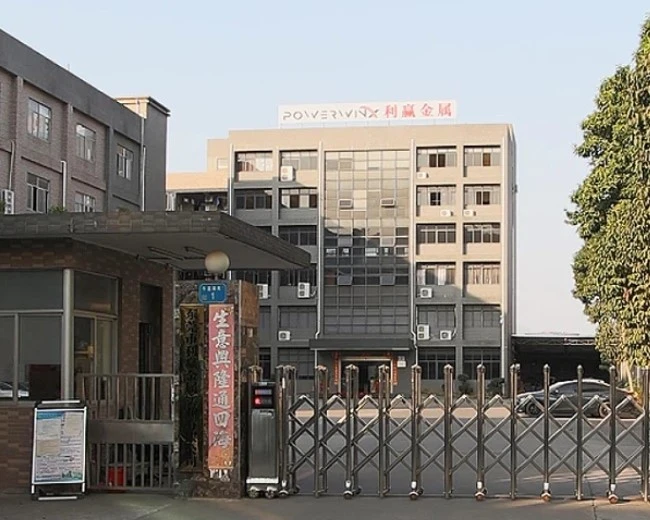
PowerWinx is a professional manufacturer in China specializing in high-quality aluminum, magnesium and zinc die casting, CNC machining, and precision component manufacturing. The company provides custom anodized aluminum CNC milling parts with superior finishing and tight tolerances for global clients. With advanced equipment and strict quality control, PowerWinx ensures every project meets exact customer requirements and industry standards.