

Hey there! As a supplier in the CNC Milling Service game, I've seen firsthand how crucial cutting parameters are. They're like the secret sauce that can make or break a project. In this blog, I'm gonna dive into what these cutting parameters are and their role in our CNC milling service.
Let's start with the basics. Cutting parameters in CNC milling mainly include cutting speed, feed rate, and depth of cut. These three factors work together to determine how efficiently and accurately we can machine a part.
First up, cutting speed. This is the speed at which the cutting tool moves across the workpiece. It's usually measured in surface feet per minute (SFM) or meters per minute (m/min). The right cutting speed is super important. If it's too slow, we're wasting time, and the tool might rub against the material instead of cutting it cleanly. This can lead to poor surface finish and premature tool wear. On the other hand, if the cutting speed is too high, the tool can overheat, which also shortens its lifespan and can cause the material to deform.
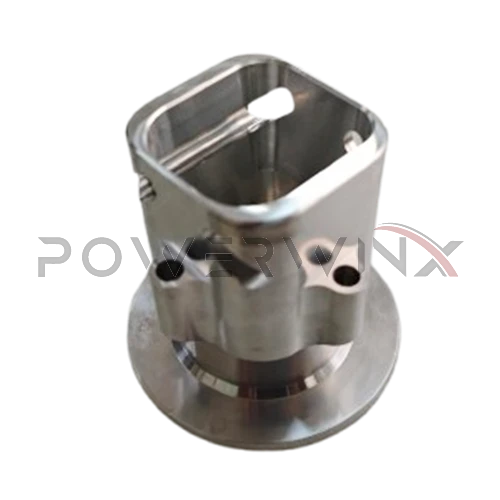
For example, when we're working on CNC Machined Parts, different materials require different cutting speeds. Aluminum, for instance, can handle a relatively high cutting speed compared to steel. That's why our Aluminum CNC Machining Service often uses a faster cutting speed to get the job done quickly without sacrificing quality. We've found that by adjusting the cutting speed based on the material, we can produce Aluminum CNC Milling Parts with a smooth surface finish and tight tolerances.
Next, let's talk about feed rate. This is how fast the workpiece moves towards the cutting tool. It's typically measured in inches per minute (IPM) or millimeters per minute (mm/min). A proper feed rate is essential for a good cut. If the feed rate is too slow, we're not taking full advantage of the cutting tool's capabilities, and it can also lead to a rough surface finish. But if it's too fast, the tool can break or chip, and the part might not meet the required specifications.
We have to consider the type of tool we're using when setting the feed rate. For example, a larger diameter tool can usually handle a higher feed rate than a smaller one. Also, the material's hardness plays a role. Softer materials like aluminum allow for a higher feed rate compared to harder materials like stainless steel. When we're milling a complex part, we might need to adjust the feed rate at different stages of the process to ensure we're getting the best results.
The third key cutting parameter is the depth of cut. This is how much material we're removing with each pass of the cutting tool. It's measured in inches or millimeters. A shallow depth of cut can result in a smoother surface finish but might require more passes, which takes more time. On the other hand, a deep depth of cut can remove a lot of material quickly, but it can also put more stress on the tool and the machine.
We need to find the right balance for each project. For roughing operations, where we're removing a large amount of material, we can use a deeper depth of cut. But for finishing operations, where we're getting the part to its final dimensions and surface finish, a shallower depth of cut is usually better.
The interaction between these three cutting parameters is what makes CNC milling so interesting. They're all interconnected, and changing one can affect the others. For example, if we increase the cutting speed, we might need to adjust the feed rate and depth of cut to maintain the quality of the cut. It's like a delicate dance, and we have to be really careful to get it right.
In addition to these primary cutting parameters, there are also some secondary factors that can influence the milling process. Tool geometry is one of them. The shape and design of the cutting tool can affect how it cuts through the material. For example, a tool with a sharp edge can make a cleaner cut, while a tool with a special coating can reduce friction and heat.
Coolant is another important factor. Using coolant during the milling process can help reduce heat, flush away chips, and improve the surface finish. We often use different types of coolant depending on the material and the cutting parameters we're using.
So, why are these cutting parameters so important for our CNC Milling Service? Well, first of all, they directly impact the quality of the parts we produce. By using the right cutting parameters, we can ensure that the parts meet the customer's specifications in terms of dimensions, surface finish, and tolerances. This is crucial for industries like aerospace and automotive, where precision is key.
Secondly, cutting parameters affect the efficiency of our operations. By optimizing these parameters, we can reduce the machining time, which means we can produce more parts in less time. This not only saves us money but also allows us to offer more competitive prices to our customers.
Finally, using the correct cutting parameters can extend the lifespan of our cutting tools. Since cutting tools can be quite expensive, this is a significant cost-saving measure. By reducing tool wear and breakage, we can keep our production costs down and pass those savings on to our customers.
In conclusion, the role of cutting parameters in CNC milling service is absolutely vital. They're the foundation of a successful milling operation, affecting everything from the quality of the parts to the efficiency of our production. As a CNC Milling Service supplier, we're constantly learning and improving our understanding of these parameters to provide the best possible service to our customers.
If you're in the market for high-quality CNC machined parts, whether it's aluminum or other materials, we'd love to hear from you. Our team of experts is always ready to discuss your project and find the best cutting parameters to meet your needs. Just reach out to us, and let's start a conversation about how we can work together to bring your ideas to life.
References

- Machinery's Handbook, Industrial Press Inc.
- CNC Milling: Principles and Practices, by John A. Spera