


Introduction
So, picture this: the raw aluminum alloy comes in, usually as chunky rods or billets. Not exactly glamorous. But then, it gets forced (with a ton of pressure, literally) through these dies-kind of like Play-Doh through those old toy presses we used as kids. You can end up with all sorts of kooky shapes-rectangles, tubes, channels, weird squiggly bits-really, whatever the designer dreams up.
But, honestly, bare aluminum's a bit soft and kinda boring. It gets fingerprints and scratches easily (annoying, right?), and over time it'll oxidize all spotty and dull. That's where the magic of anodizing comes in. After extruding, these profiles take a little spa trip. They get cleaned up, dunked in acid, and then basically zapped with electricity. This process grows a super thin, super tough oxide layer right out of the metal's own surface-kinda like armor, but way more sciencey.
And get this-the finish isn't just for looks (though, let's be real, it does look pretty slick). The anodized layer turns the surface harder, so you can bang it around, and it won't ding as easily. Plus, that new skin makes it way less likely to corrode-think: outdoor furniture that doesn't end up sad and rusty. The bonus? You can add color during anodizing; so now you get aluminum in all sorts of fun shades, which honestly makes architects and interior designers a little giddy.
In the end, these anodized extrusion products pop up everywhere: window and door frames, fancy electronics casings, railings, decking, random bits in your car, even parts of your laptop. It's a behind-the-scenes superstar-the stuff holds up, looks sharp, and needs barely any babysitting. Cool, huh?
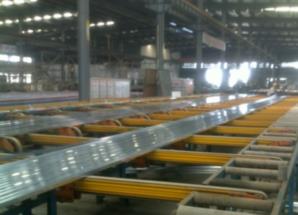 |
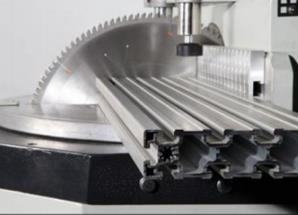 |
Extrusion factory line |
Cut aluminum extruded profile |
Features
Functional and physical properties of anodized coatings
Anodizing, honestly, is where all the magic happens with aluminum. You zap the metal with an electrochemical process, and-boom-there it is: a sleek aluminum oxide film on top. Yeah, it jazzes up the looks, but that's just the start. The real prize? That film gives the metal a whole new personality-harder, denser, tougher. We're talking actual crystal structure here, way more hardcore than plain old aluminum. It usually clocks in around 6 to 8H on the hardness scale (which is kinda nuts), so say goodbye to annoying scratches and wear. Basically, your aluminum profile just leveled up-big time.
The combination of strength and toughness of aluminum alloys
We're talking around 260MPa for tensile strength-a solid choice if you need your stuff to not fall apart under pressure. Now, if you're chasing those sleek, pretty finishes and want something that won't get eaten alive by rust, 6063 is your buddy. Crazy flexible, super chill with corrosion, and looks fantastic after processing.
And hey, throw on an anodized layer? You're not just making it look better; you're seriously cranking up the tough factor. That oxide film fuses with the base metal, beefing up the whole piece so it can take a hit (or three) without flinching. Basically, you get more durability, more impact resistance, and way less whining about things breaking.
Enhanced electrical insulation and corrosion resistance
It's basically nature's way of putting up a "do not enter" sign for electricity. Totally non-conductive, which comes in handy when you don't want currents zapping around like it's a science fair gone wrong. Anodized aluminum isn't just tough as nails; with that film, it laughs in the face of accidental short circuits.
And get this-the film isn't just some flaky cover. We're talking dense, solid stuff. Chemically stable as your grandma's casserole recipe. That's why it's a beast against corrosion. Moisture? Salt in the air? Other random nasties? Nah, they can't get through. It's like wrapping your aluminum in an invisible raincoat-only better looking.
Color stability over long term use
Once aluminum gets that anodized treatment-y'know, the whole electrolytic oxidation jazz-the color basically locks in like it's got a personal vendetta against fading. Gold, black, silver, whatever fancy shade you're into, that finish is seriously stubborn. We're talking long-haul brightness, not just a passing vibe. The secret? It's all about the oxide film's crystal structure. It grabs onto the aluminum underneath like it's clinging for dear life, and laughs in the face of weather, wear, or whatever else tries to mess with it. Basically, this stuff doesn't quit.
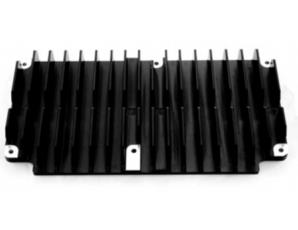
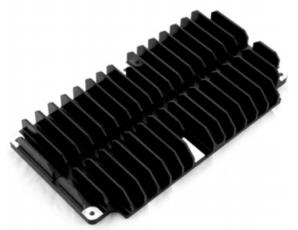
Anodized aluminum extrusion products
Specification
|
Item name |
High quality anodized aluminum extrusion products |
|
Material |
Aluminum alloy |
|
Surface finish |
Black anodized |
|
MOQ |
500 PCS |
|
L/T |
10-15 days for tooling and 7-10 days for sample |
|
Size |
350*120 mm |
|
Packing |
Safety packing |
|
Application |
Medical device |

FAQ
Q: What sets PowerWinx apart?
A: Comprehensive specifications and versatile applications
Customization tailored to meet individual needs
State-of-the-art testing facilities
Short lead times and various shipping options
Q: What certifications do you hold?
A: We are ISO 9001 and SGS certified.
Q: What are the lead times for samples and mass production?
A: Samples can be delivered 7-10 days after tooling is complete. Mass production timing depends on the order quantity.
Q: What surface treatments can your company provide?
A: Our main surface treatments include Anodized, Powder coated, Wood grain, Polished, Brushed, Electrophoresis, Mill finish, and Sandblasting.
Hot Tags: anodized aluminum extrusion products, China anodized aluminum extrusion products manufacturers, suppliers, factory, die casting assembly, anodizing die casting, experienced die casting, cnc machining for cost effectiveness, die casting factory, die casting quotes


